
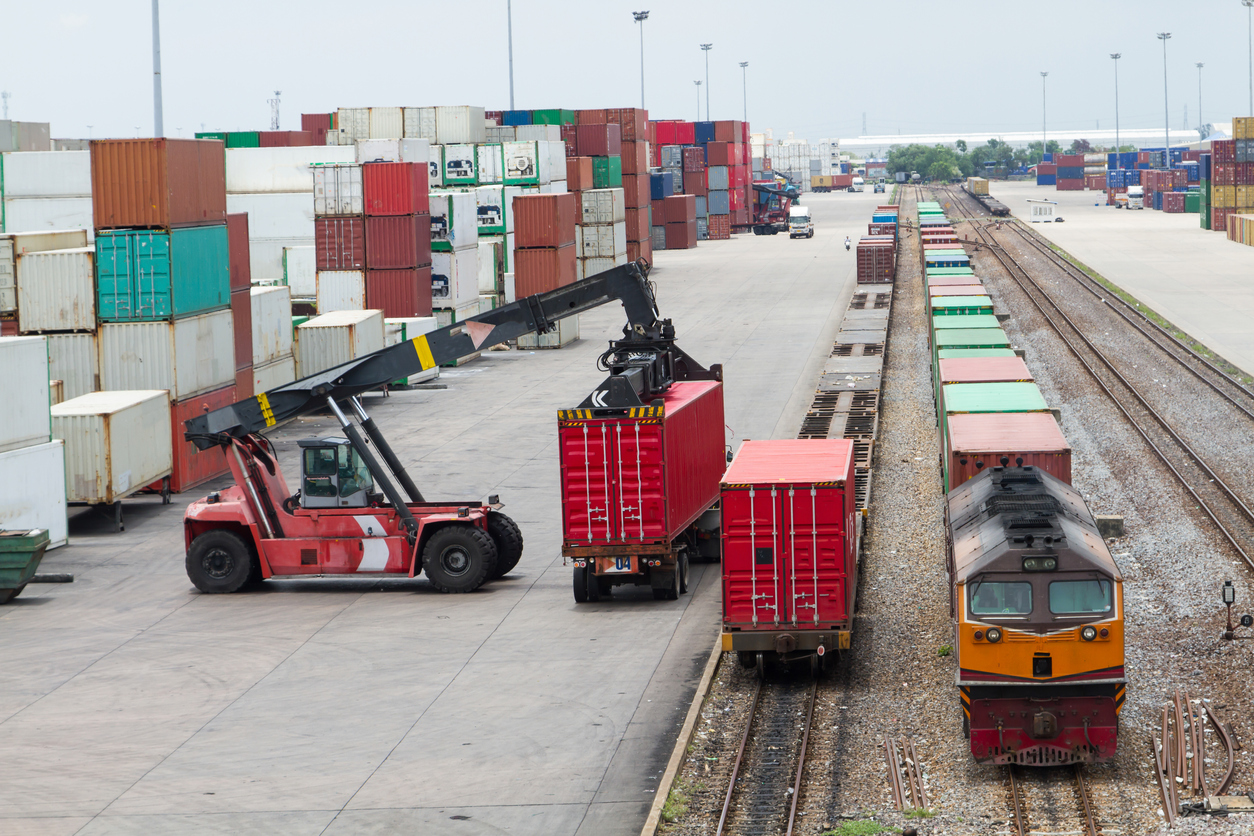
Shipping Intermodal Freight Doesn’t Have To Be Complicated.

What is intermodal freight transportation?

Intermodal freight transportation is a combination of different transportation modes, like rail, ocean, and trucking, to move goods from the shipper to the final destination point. The freight is moved in a container or vehicle without handling the freight when changing modes. Shippers usually use intermodal transportation to move freight over long distances of more than 500 miles. Also, intermodal transportation is best suited for intermediate and finished goods with the net weight under 42,500 lbs.

How does intermodal transportation work?

Intermodal freight transportation implies moving cargo long-distance using two or more shipping modes. When using intermodal, every stage of transportation is arranged and signed with a different carrier, which means several bills. Shippers usually use intermodal to save costs, or when there is a need to ship freight across an ocean. The container is being loaded and transported through rail or barge, then loaded onto the truck that transports it to the final destination. There are also short-distance, last-mile shipments called drayage shipments. This is the final transportation of a container from a loading dock or from the port to the ultimate destination.

What is the difference between intermodal and multimodal transportation?

The main difference between intermodal and multimodal freight transportation is billing. In simple words, intermodal is when you combine several carriers under separate bills of lading, while in multimodal, the transportation is either handled by a single carrier, or several carriers are signed under the single bill of lading.

What are the benefits of intermodal transportation?

Why use intermodal?

Intermodal freight shipping can be a very beneficial way to ship freight over long distances in terms of cost savings. Shippers who regularly send the similar amounts of LTL shipments for more than 500 miles are the ones who will grasp the most benefits of intermodal freight. Also, intermodal implies more accountability and responsibility of carriers, since there is a separate bill of lading for every part of the shipping process.